Sign up to get 15% off

Hydra Brisk
Hydra Brisk
Hydra Brisk
Hydra Brisk
Hydra Brisk
Hydra Brisk
Hydra Brisk
Hydra Brisk
Hydra Brisk
Hydra Brisk
Hydra Brisk
Hydra Brisk
Hydra Brisk
Hydra Brisk
Hydra Brisk
Hydra Brisk
Hydra Brisk
Hydra Brisk
Hydra Brisk
Hydra Brisk
Hydra Brisk


Hydra Brisk
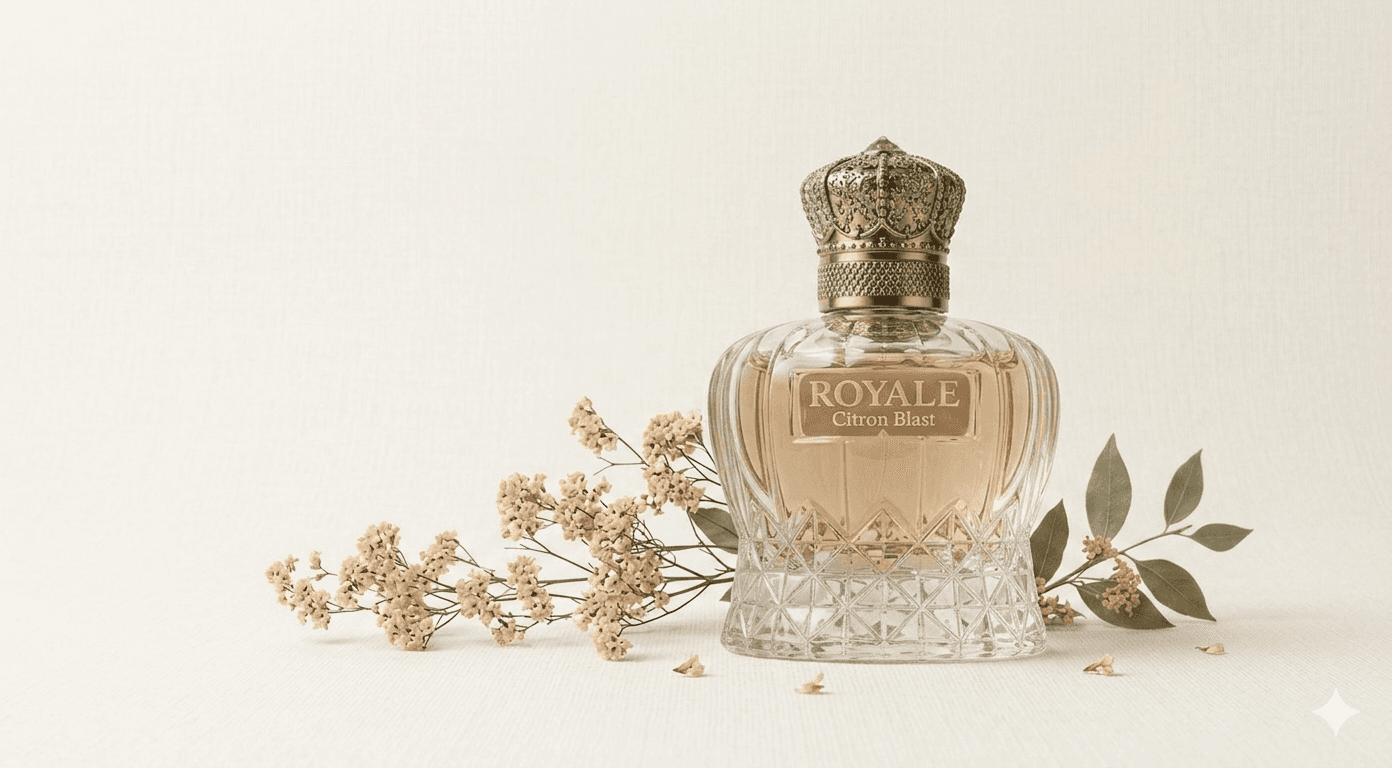
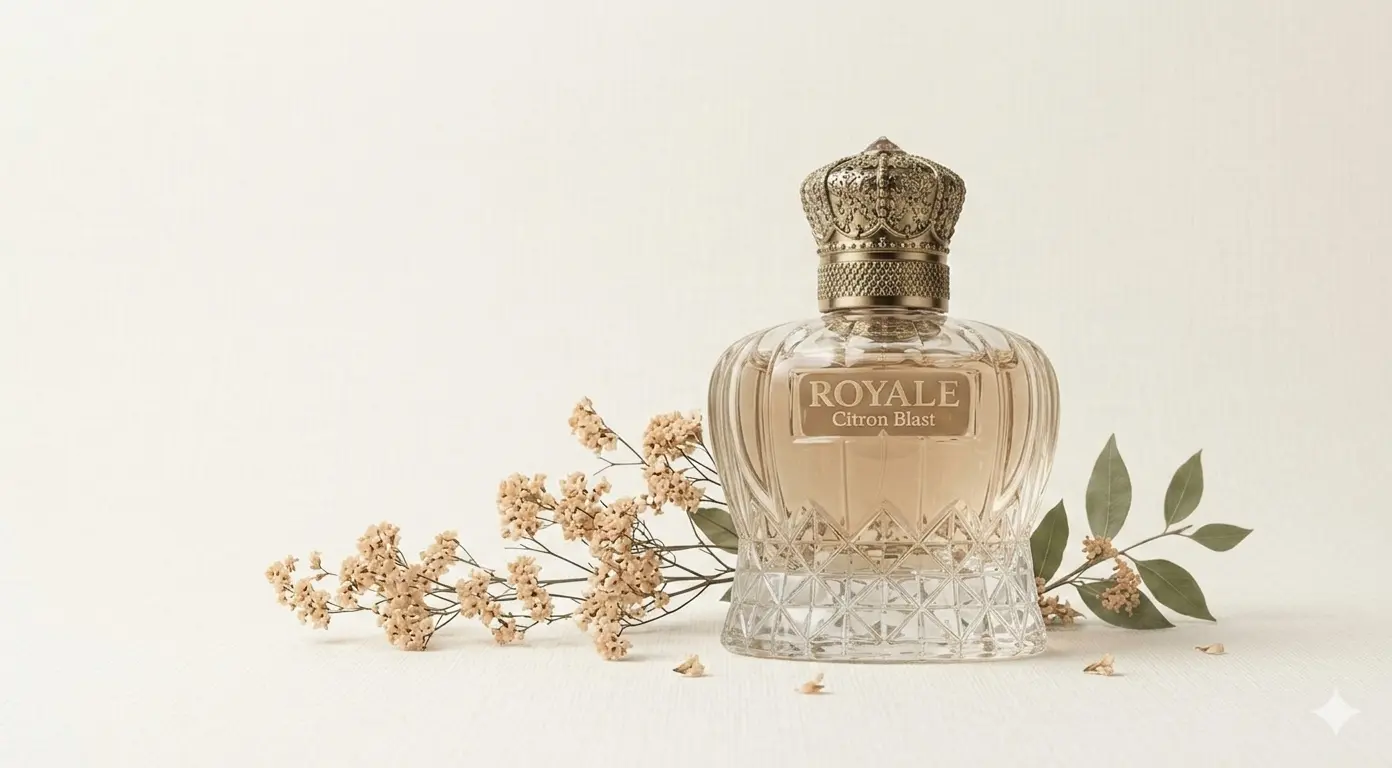
Fresh • Citrus • Energetic
USD $120
3.4 oz 100 ml
Hydra Brisk
Fresh • Citrus • Energetic
USD $120
3.4 oz 100 ml

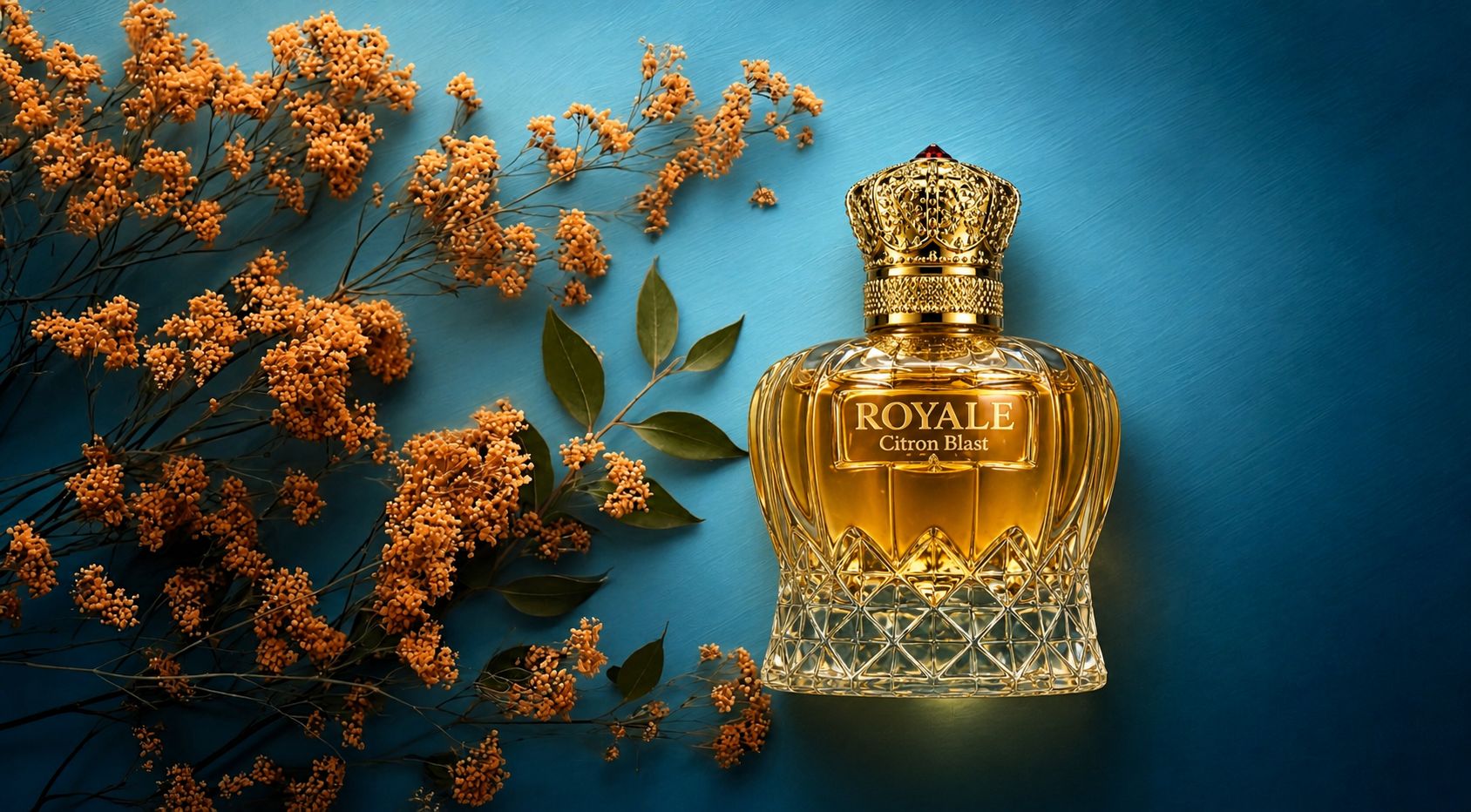
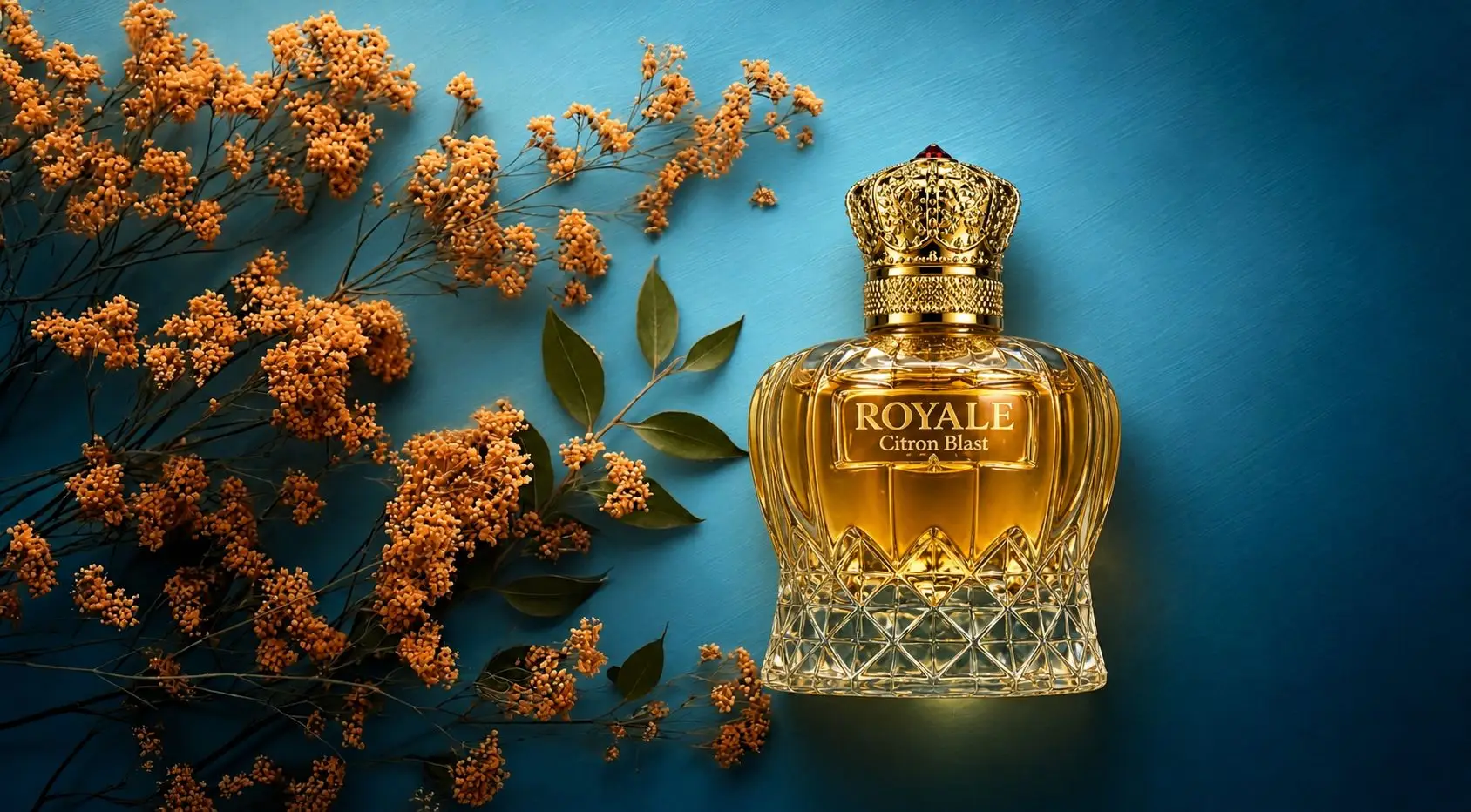
Citron Blast
Fresh • Citrus • Energetic
USD $120.00
3.4 oz 100 ml
Citron Blast
Fresh • Citrus • Energetic
USD $120.00
3.4 oz 100 ml
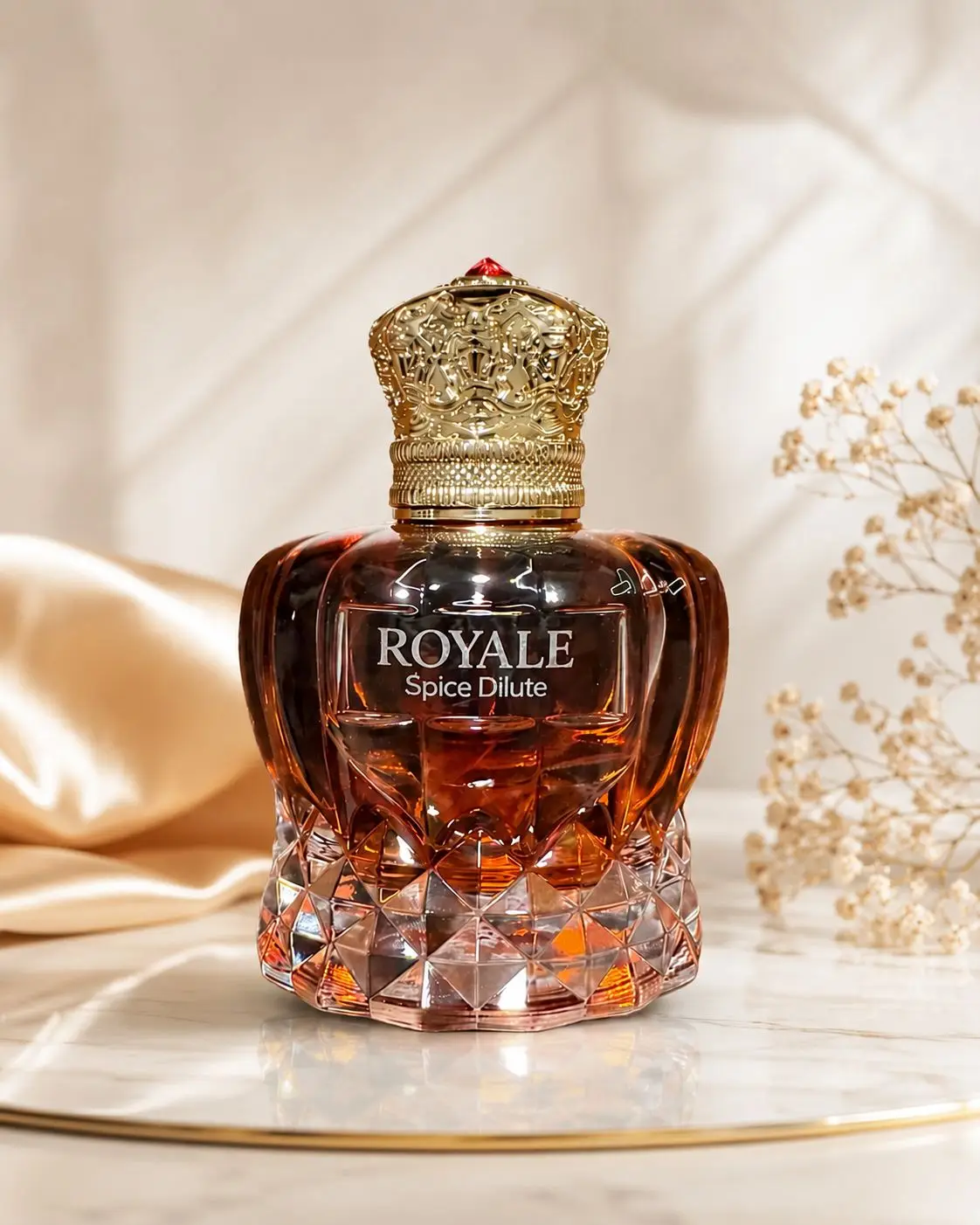
Spice Dilute
Spicy • Marine • Woody
USD $120.00
3.4 oz 100 ml
Spice Dilute
Spicy • Marine • Woody
USD $120.00
3.4 oz 100 ml

Sous L’influence
Floral • Smoky • Velvety
USD $120.00
3.4 oz 100 ml
Sous L’influence
Floral • Smoky • Velvety
USD $120.00
3.4 oz 100 ml
Testimonials
Testimonials
Hear What Our Customers
Are Saying
Our testimonials reflect genuine experiences from customers.
"From the moment I spray it, it performs all day. The longevity and projection are incredible I can still smell it hours later without needing to reapply."
Citron Blast is on another level!
"From the moment I spray it, it performs all day. The longevity and projection are incredible I can still smell it hours later without needing to reapply."
Ethan Walker
"Everywhere I go, someone asks me what I’m wearing. It’s become my signature scent."
I’ve never gotten this many compliments before!
"Everywhere I go, someone asks me what I’m wearing. It’s become my signature scent."
I’ve never gotten this many compliments before!
"There’s something about it that people just can’t resist. It’s fresh, smooth, and pulls people in every time."
This scent is addictive
"There’s something about it that people just can’t resist. It’s fresh, smooth, and pulls people in every time."
This scent is addictive
"Strong enough to be noticed, but still clean and wearable. It leaves the perfect impression."
It makes a statement without trying too hard.
"Strong enough to be noticed, but still clean and wearable. It leaves the perfect impression."
It makes a statement without trying too hard.
Store
Store
Store
Our Methods
From Concept to Creation
1. The Vision
It all begins with a clear intention: to create a fragrance that is fresh, vibrant, and impossible to ignore. The goal wasn’t just another citrus scent — it was to design something that feels alive, energetic, and addictive from the very first spray.
2. Ingredient Selection
A fragrance is only as good as its raw materials. This step involves sourcing the highest quality botanicals—the flowers, oils, and resins that will define the scent profile. To emphasize authenticity, we have moved the scene outdoors. Here, the perfumer is depicted hand-selecting delicate jasmine blossoms in a sunlit, historic field. Physically interacting with the live plants highlights the vital connection between the final scent and its natural origins.
3. Blending the Composition
The materials gathered must now be assembled with scientific precision and creative intuition. We return to the workshop where the active blending takes place. The scene focuses on technical mastery: using a glass pipette to precisely measure essential oils, balancing delicate scientific action against the rough textures of the worn wooden workbench. This is where the creative vision meets measuring scales and formulas.
4. Maturation Process
Once mixed, the fragrance cannot be rushed; it must rest. This is a passive but critical stage, allowing the diverse ingredients to full 'bond' and smooth out into a harmonious scent. We shift the setting to a cool, dimly lit cellar, far removed from the active blending bench. The large, traditional glass dames-jeannes (carboys) visualize the patience required, showing the large batches developing their true character over time in a quiet environment.
5. Testing & Refinement
The aged scent must now be rigorously evaluated against the original vision. This stage involves intense critical analysis. The perfumer returns to an active, analytical scene, intensely focused as she evaluates different versions using smelling strips (mouillettes). The background detail of the corkboard, cluttered with comparative notes and revision markers like 'v.5 - more longevity needed,' explicitly visualizes the methodical process required to achieve perfection.
6. The Final Creation
The journey is complete. Every detail has been validated, and the resulting composition meets the standard. This final image showcases the completed, labeled product—'FRAGRANCE NO. 1'—presented with artisan pride on the very same scarred oak workbench where the initial vision was sketched. The authentic lighting and the subtle inclusion of loose petals from the harvest reinforce the narrative of intention, quality, and craftsmanship.
1. The Vision
It all begins with a clear intention: to create a fragrance that is fresh, vibrant, and impossible to ignore. The goal wasn’t just another citrus scent — it was to design something that feels alive, energetic, and addictive from the very first spray.
2. Ingredient Selection
A fragrance is only as good as its raw materials. This step involves sourcing the highest quality botanicals—the flowers, oils, and resins that will define the scent profile. To emphasize authenticity, we have moved the scene outdoors. Here, the perfumer is depicted hand-selecting delicate jasmine blossoms in a sunlit, historic field. Physically interacting with the live plants highlights the vital connection between the final scent and its natural origins.
3. Blending the Composition
The materials gathered must now be assembled with scientific precision and creative intuition. We return to the workshop where the active blending takes place. The scene focuses on technical mastery: using a glass pipette to precisely measure essential oils, balancing delicate scientific action against the rough textures of the worn wooden workbench. This is where the creative vision meets measuring scales and formulas.
4. Maturation Process
Once mixed, the fragrance cannot be rushed; it must rest. This is a passive but critical stage, allowing the diverse ingredients to full 'bond' and smooth out into a harmonious scent. We shift the setting to a cool, dimly lit cellar, far removed from the active blending bench. The large, traditional glass dames-jeannes (carboys) visualize the patience required, showing the large batches developing their true character over time in a quiet environment.
5. Testing & Refinement
The aged scent must now be rigorously evaluated against the original vision. This stage involves intense critical analysis. The perfumer returns to an active, analytical scene, intensely focused as she evaluates different versions using smelling strips (mouillettes). The background detail of the corkboard, cluttered with comparative notes and revision markers like 'v.5 - more longevity needed,' explicitly visualizes the methodical process required to achieve perfection.
6. The Final Creation
The journey is complete. Every detail has been validated, and the resulting composition meets the standard. This final image showcases the completed, labeled product—'FRAGRANCE NO. 1'—presented with artisan pride on the very same scarred oak workbench where the initial vision was sketched. The authentic lighting and the subtle inclusion of loose petals from the harvest reinforce the narrative of intention, quality, and craftsmanship.